
Did you miss the October Information Session?
On October 6th, Paul Cavendish from Polio Australia hosted an information session with experts discussing issues that affect polio survivors. Recording are available here.
Listen to the recordings online now.
On October 6th, Paul Cavendish from Polio Australia hosted an information session with experts discussing issues that affect polio survivors. The session covered the following topics:
Exercise guidelines
Fatigue management
Get the most out of working with a physiotherapist
The role of a Rehabilitation Physician with polio survivors
Maximizing independence with My Aged Care
Links to the recordings can be found on the Resources page of the Polio SA website
My Polio Story - Kim Doung
I was born in Cambodia in 1984, and contracted polio when I was less than one. Throughout my childhood, my parents took me to various doctors, based on recommendations, so I’ve had many different treatments
When I was nine years my family and I emigrated to Australia. When we settled in Adelaide, the doctors at the Women’s & Children’s Hospital began to treat the effects of my polio straight away.

I was born in Cambodia in 1984, a second child to my parents after my older brother. When I was less than one year old, I was diagnosed with polio. I don’t remember a lot about it. My parents say that they first noticed I had a fever, and so took me to a nurse, who gave me an injection. The next day, I couldn’t use my leg. They then took me to a doctor, who confirmed that I had polio, and said it was too late to do anything about it.
Throughout my childhood, my parents took me to various doctors, based on recommendations, so I’ve had many different treatments. I remember once I was taken to another province, where I stayed for a couple of months to have acupuncture specifically for polio. The acupuncture needles were attached to an electric device that emitted a pulse. I just remember how painful it was! I’m not sure if it worked. Regardless, after the polio, I had one leg shorter than the other, which was also weaker.
When I was nine years old, my family - which now included my younger brother - and I emigrated to Australia. When we settled in Adelaide, the doctors at the Women’s & Children’s Hospital began to treat the effects of my polio straight away. They decided to try to extend the bone in my shorter leg, while I was still young. They were able to increase it by several centimeters, by cutting the bone in my shin, and attaching a metal gadget to each end of the cut bone. Each night I had to wind apart the gadget, so the bone would become longer as it regenerated. It wasn’t too painful, but I was on crutches for six months.
Polio has affected my life to this day, physically and mentally. Physically, there are a few things I can’t do, such as running for long periods of time, swimming very well, or driving manual cars – luckily, now everything’s automatic. Shoes are difficult to find, because one foot is smaller than the other.
Mentally, I am more conscious of my left leg being different from my right. When I was a kid, I got bullied all the time by other kids about it. This stuck with me for a long time. I often wear long clothing to hide my legs.
I am 34 now and I am concerned about polio affecting my life more as I grow older. I feel like my body has had more pain now in the last few years, especially on the right side. My conclusion is that because I don’t have a balanced core, my right side has to compensate for my weaker left side, so it’s impacting on my right leg, shoulder and lower back.
From doing my own research, I’ve learnt that 30 years after you contract polio, you can develop the sort of symptoms I have – the late effects of polio (LEoP). It seems even my doctors and physiotherapists don’t understand what I’m experiencing, due to a lack of awareness about this.
A friend mentioned that there is a polio support group in Australia, so I looked it up online and found Polio SA. I've only recently joined, so am still discovering what’s available, but I found their guest speakers at the annual general meeting very informative.
Back in Cambodia, polio is more common. My uncle who still lives in Cambodia had polio too, but his effects are far more severe, affecting his left arm and left leg. Due to it being a developing country, and the lack of government assistance, people with polio have to depend on family members to support them for everyday living. This is not easy if your family is poor.
Vaccination against polio is necessary as prevention. It’s still happening all over the world, in pockets here and there. The more information we can spread about this, the better.
Although the medical system is better in Australia, and the treatments I received here as a child, I still experience pain and I need to see health professionals for treatment. I have to pay myself to see physiotherapists, massage therapists and acupuncturists to manage my pain. Polio SA membership has assisted with some vouchers to help pay for therapy and massage, and they have also been happy to discuss any questions I have.
The more the government can fund Polio SA and Polio Australia, we can put that to good use, in terms of providing support to people with polio, spreading understanding in the community, and knowledge with people who have polio, and to their families as well. Sharing information with people in different cultural groups, in the different languages they speak, would also help raise awareness and understanding of polio, and the effect it has on people living with polio.
I’d like the community to understand the ongoing impact that polio has on those of us who have experienced it – physically as well as emotionally.
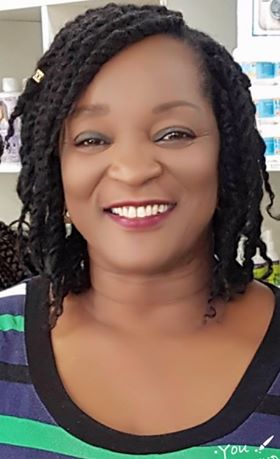
My Polio Story - Lynda Shaw
I was born in Ghana, West Africa in 1955, where at just one year old I contracted poliomyelitis. While I can recall some childhood memories of leg stretches and massages, my main recollection of treatment for my polio was an operation I had on my leg aimed at lengthening my Achilles tendon and straightening my foot.
In 1980, I migrated to Australia settling in Adelaide, soon after arriving, I was fortunate to have a second operation on my leg, as the first one I underwent as a child in Ghana had been done prematurely – before I had finished growing.

I was born in Ghana, West Africa in 1955, where at just one year old I contracted poliomyelitis.
While I can recall some childhood memories of leg stretches and massages, my main recollection of treatment for my polio was an operation I had on my leg aimed at lengthening my Achilles tendon and straightening my foot. The polio had left the tendons in my leg shorter, bringing my heel up, and causing me to walk on the ball of my foot.
In 1980, I migrated to Australia settling in Adelaide, where I married, had a family, and worked in records management at Glenside Hospital and the South Australian Ambulance Service. Soon after arriving in Australia, I was fortunate to have a second operation on my leg, as the first one I underwent as a child in Ghana had been done prematurely – before I had finished growing. By having my foot and ankle reconstructed, my heel was again in the correct position and I could walk without limping. Unfortunately, this progress was undone after a fall at a work conference, where I tripped and landed on my foot. Four months with my leg in plaster resulted in significant weakening my muscles. I now walk with a limp, and with the assistance of a walking stick for long distances.
As I’ve grown older the late effects of polio (LEoP) have begun to appear. Since the age of 58, I have experienced symptoms on my affected side, including weakness in my right leg, joint pain, issues with my right eye and shoulder, periodic falling, and even choking. I also take medication to help with pain in my left hip – as this is my ‘good’ hip which is overused and becomes painful. My polio is exacerbated by polymyalgia, diagnosed about four years ago. This increases joint pains and general lethargy.
Polio SA has been a support to me. Through Polio SA membership I was able to access hydrotherapy lunchtime group sessions at Thebarton Swimming Centre, prior to its relocation to Noarlunga. The exercises in the water, led by therapists, helped a lot through strengthening and stretching my muscles. I also find the tips in the newsletter very helpful.
I feel there is little understanding and recognition to date of the Late Effects of Polio by the wider community. I know that there are other African migrants in Adelaide who are living with the Late Effects of Polio. I’m trying to organise a meet-up so that we can share our stories and information, and encourage them to join Polio SA, to work out how we can access better support for our condition.
In African culture, discussion of any type of disability can be a bit of a taboo, even to the extent that some people have the mentality that those with any form of disability are below others. In contrast, I was brought up in a family where everyone is equal, all treated the same. Dad was a surgeon, Mum was a midwife, so they knew more about what to do to help me. I was encouraged – ‘you have two legs, two arms, you can do anything you want to, and are capable of achieving anything you set your mind to’. So, I’m attempting to reach out to other African polio survivors here in Adelaide to share information. I’m slowly getting through to the various groups, and I’m not giving up.
I feel that the medical profession needs to be educated more fully on how to help patients experiencing the Late Effects of Polio. Currently, many medical professionals are younger people, who might not have had much experience in polio patients. For example, general anaesthetic needs to be administered very carefully to people who have had polio; such patients can have adverse reactions.
Governments need to better fund support for polio survivors through organisations like Polio SA, and raise the profile of our needs. People see us in the community and know that we have a disability, but they don’t know what it’s about.
Polio SA has been helpful, and I would love the community to be more aware of the work it does. Having services like hydrotherapy offered more centrally would help more polio survivors. A discount on aids, like walking sticks and other mobility devices would be valuable.
In addition, vaccination against polio is vital, so younger generations aren’t affected. We need to be vigilant and proactive to make sure people are vaccinated to fully eradicate polio across the world.
While the Late Effects of Polio can be difficult to manage sometimes, my advice to other polio survivors in our community experiencing these symptoms in later life is: eat healthily, watch your weight, take low-impact exercise, and seek support from Polio SA. I’ve also had success with eating an alkaline diet and drinking alkaline water. Networking with other polio survivors is so valuable too, allowing us to share our experiences and knowledge to help each other.
Clinical Practice Workshops for Health Professionals
Help your health professionals help you!
Polio Australia are hosting clinical workshops especially for health professional to learn more about the Late Effects of Polio and strategies to treat the symptoms.
Download the flyer and give it to your health professionals.
Help your health professionals help you!
Polio Australia are hosting clinical workshops especially for health professional to learn more about the Late Effects of Polio and strategies to treat the symptoms. Suitable for:
General Practitioners
Physiotherapists
Occupational therapists
Orthotists
Exercise physiologists
Nurses
Podiatrists
Speech pathologists
Social workers
Case managers
...and anyone else interested in knowing more about the Post-Polio body.
Download the flyer and give it to your health professionals.
Health professionals can book here
Late Effects of Polio Information Session
There will be a free information session on the 6th October at Glenunga Hub.
This time specialists will be discussing:
How is medical management necessary?
What should I expect from an Occupational Therapist or Physiotherapist?
How much exercise or activity is safe?
What is the National Disability Insurance Scheme (NDIS)?
How does My Aged Care work for me?
Spaces are limited so please ensure you book.
What are the Late Effects of Polio (LEOP)?
The LEOP (including Post-Polio Syndrome) can cause symptoms such as fatigue, new or increased muscle weakness, pain, sleep problems and difficulty with breathing or swallowing.
Hear from key professionals specifically addressing the needs of Polio Survivors:
How is medical management necessary?
What should I expect from an Occupational Therapist or Physiotherapist?
How much exercise or activity is safe?
What is the National Disability Insurance Scheme (NDIS)?
How does My Aged Care work for me?
Date & Time
Saturday 6th October 2018 1:30pm - 3:30pm
Venue
Margaret Bond Room 2, Glenunga Hub, 70 Conyngham Street, Glenunga
Register
Online: www.bit.ly/InfoSessionAdelaide0610
Phone: 0466 719 013 or email: paul@polioaustralia.org.au
Presented by Polio Australia
Spring 2018 Newsletter
Welcome to the Spring edition of the Polio SA newsletter
From the President
I am pleased that Spring is just around the corner the cold of winter has been bone chilling for me this year.
The AGM for Polio SA was attended by over 25 members and friends who saw the Committee reappointed with one change. Mr. Nik Surikov did not nominate for another year, but Jo Gordon has nominated and will join the Committee. Thank you very much Jo. I would like to take this opportunity to thank Nik for his enthusiasm in promoting Polio SA; in particular increasing awareness of post-polio syndrome with politicians.
At the AGM we were fortunate enough for Dr. Nigel Quadros to update on his and Dr. Sivam’s Sarcopenia Study. Nigel was then kind enough to draw the names of the two members who won tickets to Polio Australia’s Health and Wellness Retreat. Congratulations to both Margaret Leonello and Kim Duong, a new member. I look forward to seeing you both as well as other members at the Stamford Grand, Glenelg in October. We then retired for “afternoon tea”, after which everyone enjoyed for the screening of “Breathe”. All in all a good day for our members who attended.
There may be an opportunity for a second hydrotherapy session to be held at the pool at the Repat Hospital, Daw Park. For this to happen Polio SA needs to have a definite assurance from members that they would attend these sessions. If you wish to attend the hydrotherapy session please email or leave a voicemail on 0466 893 402 before October15th. The committee will then discuss the feasibility at the next meeting and will advise you of the outcome.
Paul Cavendish will be hosting another information session for polio survivors on the 6th October at Glenunga Hub. This is new information, so whether you attended the May information session or not you will find attending invaluable. There are only 60 places available so registration is essential, full details follow on page 2.
The 10-year anniversary “Walk With Me” event will be on Thursday 11th October at 3:00pm. The walk will begin from the front of the Stamford Grand Hotel in Glenelg and the group will walk along with esplanade. Please come along and join in or feel free to sponsor a participant.
Brett Howard, President, Polio SA
bihoward@bigpond.com | 0403 339 814
Flu, Fatigue and Post-Polio Syndrome Dr. William DeMayo, MD - DeMayo’s Q & A Clinic
Exploring issues that could be causing fatigue
This article was published online in http://www.papolionetwork.org/demayos-q--a-clinic.html
QUESTION
I was diagnosed with the flu in early February. I had extreme fatigue for a full month. Yesterday, I spent a full day in the E.R...Nothing except dehydration showed up on tests. Could this be post-polio syndrome fatigue, along with fatigue from flu and a secondary infection? How long will I have to deal with this ?
ANSWER
To provide a specific clinical answer to the above, much further information would be needed, including information regarding age, prior diagnosis of post-polio syndrome, level of disability, medications, sleep patterns, and other diagnoses. The question does, however, provide the opportunity to talk about the issue of fatigue and post-polio syndrome.
First, is important once again to remember that the diagnosis of post-polio syndrome is a diagnosis of exclusion. Therefore, all other causes of symptoms such as fatigue, would need to be excluded before concluding the cause is post-polio syndrome. It is interesting that many patients and clinicians jump to the conclusion that post-polio syndrome is the cause of fatigue, when in fact this is one of the few causes of fatigue that has no specific treatment. As a rehabilitation physician, I am always focused on issues that we can do something about and pay less attention to the things that are not under our control. Therefore, I will use this opportunity to focus on some of the many causes of fatigue that are treatable.
Secondly, the word “fatigue” can be used in a variety of contexts. One can complain of physical fatigue, including a sense of exhaustion or feeling physically drained. Additionally, emotional fatigue can occur over time due to a variety of stressors and contribute to a feeling of being weary/worn out. Some individuals can also experience cognitive fatigue as the brain simply does not process information as efficiently over time. For purposes of this article we will lump these together, but when reporting symptoms to a clinician, it is sometimes important to be very specific.
Here is a partial list of some of the most common causes of fatigue:
Insomnia (lack of restorative sleep). Lack of appropriate duration OR quality of sleep can lead to somnolence (an intense feeling of sleepiness).
Chronic lack of restorative sleep can be a major contribution to physical, emotional and cognitive fatigue. Poor sleep habits, sleep apnea, restless leg syndrome, medications, pain, and other factors can compound this problem.
Depression/anxiety/stress These common causes of fatigue are often overlooked or unaddressed.
Medications Always check with your pharmacist regarding side effects of medications you are taking.
Over activity or ”Overdoing it” Does this sound like anyone you know? This is certainly not an uncommon issue in the polio population.
Under activity and deconditioning This is a problem that is not unusual for individuals who adhere strongly to the “conserve to preserve” * mentality. At the same time, it is also a problem for many individuals who regularly “overdo it” causing so much pain that they then need to “rest” for prolonged periods of time.
Medical issues
Infection - either bacterial or viral
Dehydration
Endocrine problems
o Thyroid disease
o Adrenal disease
o Diabetes
o OtherAnemia
o Due to chronic blood loss/iron deficiency
o B12 deficiency, kidney disease and other causesCardiac disease and congestive heart failure
Pulmonary diseases
Chronic Fatigue Syndrome
Neurologic disease and autonomic dysfunction
Other
Poor nutrition
Chronic pain
Management of fatigue often requires more than one approach since the above contributing factors rarely occur in isolation. For example, chronic pain can contribute to sleep problems and depression as well as poor nutrition. Subsequently these can worsen fatigue.
Some of the interventions most helpful for fatigue, that I would recommend for you to talk to your physician about include the following;
Appropriate testing and management of underlying medical conditions
Appropriate goalsetting and pacing
Use of adaptive equipment, braces, mobility aids, or wheelchairs/scooters (when appropriate)
Behavioural management and counselling
Physical Therapy and Occupational Therapy
Energy conservation techniques
Appropriate home exercise program
Aerobic
Strengthening
Flexibility
Yoga or Tai Chi (preferably with an instructor familiar with disabilities)
Meditation or scripture
Medication changes
To remove medications that might be causing fatigue
Consider talking with your physician about any medication or supplements that might reduce fatigue
A pessimist might see the interrelationship of multiple causes of fatigue as being problematic. At the same time optimists, including myself, will focus on the fact that any of the above interventions will have a “spill over effect” into other areas.
Addressing medical problems can significantly increase exercise tolerance and both lead to less fatigue over time. Physical exercise (as appropriate for your limitations), professional counsel and meditation can all have a profound effect on mood and emotional fatigue. As one factor improves there is a “snowball effect” on other areas.
In summary, I greatly appreciate the above question as a lead-in to even better questions - “What would be causing fatigue other than post-polio syndrome?” and “Where can we intervene to eventually improve disability?”
Did the Polio Vaccine Cause Cancer? By Vanessa Schipani
After being asked by numerous readers Vanessa Schipani explores the link between the polio vaccine and cancer.
This article was originally posted on April, 2018 on https://www.factcheck.org/2018/04/did-the-polio-vaccine-cause-cancer/
FULL QUESTION
Were people infected with cancer through the polio vaccine?
FULL ANSWER
Many of our readers have asked us whether people have developed cancer because they received the polio vaccine. Facebook users also have flagged stories on this topic as potentially false. The bottom line: It’s highly unlikely that the lots of polio vaccine contaminated in the ‘50s and ‘60s have caused anyone to develop cancer.
Polio, or poliomyelitis, is a disease caused by the poliovirus. About 1 in 200 people who contract the virus develop the disease, which involves loss of movement in the limbs, explains the Centers for Disease Control and Prevention.
Nearly 3 out of 4 people who catch the virus have no symptoms. About 1 in 4 experience less severe symptoms, such as a sore throat, tiredness, nausea or fever. In rare cases, the virus can cause death. Immobility can also occur decades after a person seems to recover from the infection, says the CDC. Experts classify this as an illness different from polio, namely post-polio syndrome. Between 25 percent and 40 percent of “polio survivors” develop this syndrome.
In 1954 — the year before the polio vaccine became widely available — the U.S. saw more than 18,000 reported cases of paralytic polio and more than 1,000 deaths due to the virus, according to the CDC. By 1964, those numbers had dropped to 106 and 17, respectively.
Because of the vaccine, the U.S. has been virtually “polio-free” for 30 years, says the CDC, though “the disease still occurs in other parts of the world.” The agency still recommends that children get four doses of the polio vaccine, each of which increases immunity to the virus. In 2016, 93.7 percent of children under 3 years old had received at least three doses of the vaccine. The CDC says children should get the fourth dose between the ages of 4 and 6.
To develop the vaccine, the epidemiologist and physician Jonas Salk, who died in 1995, grew the poliovirus in a culture (think, petri dish) of monkey kidney cells. He then used a chemical called formalin to kill the virus, rendering it unable to cause polio. When this dead virus is introduced into people’s bodies, it teaches their immune systems how to build up defenses against the virus. In this way, the polio vaccine, like other vaccines, shows the body how to develop the tools it needs to fight off the live virus, if exposed to it.
But in the early years of the vaccine’s administration, two unexpected issues occurred. In 1955, some lots of the vaccine produced by one company actually contained live poliovirus, explains the CDC. This led to more than 250 cases of the disease polio and 10 deaths.
The second incident pertains to our readers’ questions. In 1960, scientists discovered that some of the monkey kidney cells used to make the polio vaccines were contaminated with simian virus 40. For monkeys, this virus is harmless, producing no symptoms. But in high doses, SV40 can cause cancer in rodents.
Starting in 1961, authorities required new lots of polio vaccines to be free of SV40. Still, many vaccines produced prior to this year weren’t recalled. Altogether, scientists estimate that around 100 million U.S. residents received one or more doses of the polio vaccine between 1954 and 1963, including those who were vaccinated during a clinical trial in 1954.
To be clear, not all of the vaccines given to people during this period were contaminated with SV40. Out of those that were, the formalin used to kill the poliovirus killed all or most of the SV40 as well, explained Keerti Shah, now a professor emeritus of molecular microbiology and immunology at Johns Hopkins University, in a 2006 review. Published in the International Journal of Cancer, the review adds that the number of people truly at risk — those exposed to live SV40 remains unknown.
Research on SV40
Since the 1960s, scientists have continued to research the relationship between the polio virus, SV40 and cancer.
In 2002, a committee at the National Academies’ Institute of Medicine (now the National Academy of Medicine) reviewed the available research on the subject and found “that the evidence was inadequate to conclude whether or not the contaminated polio vaccine caused cancer.” Why did the committee make that decision?
Studies had consistently shown that people who received the polio vaccine in the 1950s and 1960s had no increased risk of cancer, but these studies had “substantial limitations,” the committee said. For example, these studies were “ecologic,” the report explained. Ecologic studies look at groups — in this case, people who received the polio vaccine in the 1950s and 1960s — not individuals.
If the polio vaccine contaminated with SV40 did cause cancer, scientists would expect to see an increased risk of cancer in the population of people who received the vaccine. But just because they didn’t find this effect in the group doesn’t rule out the possibility that some select individuals did develop cancer because of the vaccine.
Given the inconclusiveness of this research, the committee looked at other lines of evidence to elucidate whether SV40 can cause cancer in humans. For example, the committee found that studies have shown that the virus can cause cancer in rodents. But just because a virus causes cancer in lab rodents doesn’t mean it can cause cancer in humans. How viruses affect one species is not necessarily how they affect others.
The committee also found that studies have shown that SV40 can “transform” human cells in a culture — that is, cells in a petri dish, not in the body. This means the virus can change genetic material within human cells, a process that’s necessary for a person to develop cancer from the virus. But this is still not enough evidence to definitively say SV40 causes cancer in humans — how a virus affects cells outside of the body may not be how it affects cells within the human body.
The report also pointed to some studies that have found the genetic material of SV40 within human tumors. But again, the “detection of SV40 in tumors does not, by itself, demonstrate a causal relationship,” the report explained. “SV40 could be a passenger virus, infecting the cells but causing no pathology.”
The National Academies’ report concluded that — even if researchers do uncover conclusive evidence for a causal link between the polio vaccine and cancer in the future — evidence accumulated up to 2002 is “sufficiently robust to suggest that the relative contribution of SV40 to overall risk would have to be small.”
Research published since 2002 has only swayed the scientific pendulum toward a lack of a causal link, says Shah at Johns Hopkins. In his 2006 review of the literature, Shah concluded that research published since the 2002 committee’s report “does not support the notion that SV40 contributed to the development of human cancers.”
For one, studies that found the genetic material of SV40 in human tumors were likely “false positives,” he wrote in his paper published in the International Journal of Cancer. Shah also pointed out that four additional studies published since 2002 found no link between those who may have been exposed to SV40 via the polio vaccine and a higher prevalence of cancer.
Like the 2002 report, Shah said that “these data by themselves do not disprove the role of SV40 in human cancer because the exposure to SV40 by the vaccine is not known at the level of the individual.” But given this more recent research, it’s “very likely that SV40” is “not linked to any human cancer,” he concluded.
As we pointed out last July when we wrote about a controversial European Union court decision about vaccines, it’s difficult, if not impossible, for scientists to definitively rule out that a vaccine causes a disease. We cited a 2012 report by the Institute of Medicine at the National Academies on vaccine safety to support that point. The report states that it’s “virtually impossible to prove the absence of a relationship with the same certainty that is possible in establishing the presence of one.” Why? Because “studies may not rule out the possibility that the reaction is caused by vaccine in a subset of individuals,” the report explains.
This argument also applies to the case of the polio vaccine and cancer — evidence suggests the contaminated vaccine in the 1950s and 1960s doesn’t cause cancer, but it’s difficult for scientists to rule out the possibility that it may have done so in a handful of people.
Bruno Bytes April, 2018 Dr. Richard L. Bruno, HD, PhD www.papolionetwork.org
A Polio Survivor Story by Julian Swinstead
I was born June 1949 and contracted polio when I was about 2 years old and was sent to Escourt House for around 2-3 yrs.
My parents were poor and had five boys. They could only come and see me occasionally on weekends. When they did, Dad unscrewed a door from home and tied it to the roof of the Volkswagen Beetle.
I was born June 1949 and contracted polio when I was about 2 years old and was sent to Escourt House for around 2-3 yrs.
My parents were poor and had five boys. They could only come and see me occasionally on weekends. When they did, Dad unscrewed a door from home and tied it to the roof of the Volkswagen Beetle. They would come and get me and strap me to the door on the roof (outside) for an outing. Later they got a bigger car and could slide me through the back windows (on a board) where my brothers would torment me.
I cannot remember anything much about that time. I was in plaster from the hips down, or so I have been told. Matron Macdonald at Escourt House told my parents she was experimenting with a new technique for handling polio which she had heard of from America. It involved NEVER allowing the affected limbs to be free of restraint — such as keeping them in plaster or calipers, especially overnight. NEVER allowing the bones to deform. Apparently my Dad said I was in great pain continually, and I do remember being put in the big bathroom at Escourt House (the empty bath) with the door shut, because I screamed so much. I do remember that that was very scary. But boy it must have worked. After leaving Escourt House I then wore callipers and attended the Adelaide Children’s Hospital for several years for therapy.
I apparently recovered despite a deformed left calf muscle and a leg that was measured as half an inch or so shorter than the other one. I managed to play A grade SANFL football for Central Districts and football in Melbourne for Port Melbourne. I was also active in many other sports including running, tennis, swimming etc. When I finished football (at age 32) I took up martial arts and have done that (seriously) for 30 odd years, as well as tennis, cycling, swimming and stand up paddling.
I have recently returned to Adelaide to live after 25 years away (Darwin). I had a period where I simply would run out of “juice” and my legs were sore. That was around 10 years ago. I had to pretty much give up karate kicks above hip height. However I have since decided “stuff it” and have resumed serious training. I have had a total knee replacement, ironically on my other leg. That also set me back as I had all sorts of warnings about not doing too much.
I now walk at a very fast pace around five kilometres at least every second day, interspersing that along the walk with challenging exercises, including push-ups, chin ups, squats, rowing and cycling; and stretching routines. I walk on unpaved areas wherever possible to exercise my ankles etc. and thick grass to force me to lift my legs. While my left calf muscle remains deformed (seriously under developed) I am feeling more and more comfortable in my fitness. I am also playing tennis again.
My orthopaedic guy says the other knee is going to have to be replaced, but at present it is fine.
That’s my story. Hope it is of interest to someone. If, for the purposes of research, you needed more information, my older brothers know much more about that time than I do. Although I have not spoken to them regarding this note, I am sure they would not mind speaking about it.
Ground breaking research into the Late Effects of Polio continues in South Australia
The second stage of ground breaking research to improve the lives of people with post polio continues in Adelaide.
Following the success of the Sarcopenia Project last year Dr Nigel Quadros and his associate Dr Kandiah Umapathysivam (Sivam) are recruiting people to participate in the second phase of the project. For more information please contact Dr Sivam phone: 0434991583 or email: Kandiah.umapathysivam@adelaide.edu.au
Sarcopenia and polio survivors
Sarcopenia is characterised by progressive and generalised loss of skeletal muscle mass and strength or function as we age.
Due to nerve cell loss after acute polio viral infection, it is likely that polio survivors live with sarcopenia at an earlier stage in life compared to the normal ageing population. Immobility-related underactivity is also likely to be a major contributor to sarcopenia in polio survivors. While there is no reliable way to differentiate age-related sarcopenia from underactivity-related sarcopenia, both contribute to weakness, fatigue and loss of function. This translates in daily life to having difficulty or being unable to do many simple activities such as walking, stair climbing, house hold chores, etc, a common phenomenon seen in the ageing polio survivor. Previously, this functional decline has been called post-polio syndrome, however, in recent times it is referred as the late effects of poliomyelitis (LEOP).
The complications of LEOP and its relationship with sarcopenia need to be explored in polio survivors. The dilemma being, the norm for post-polio has been to advice against exercise but the most effective therapy thus far for sarcopenia is exercise.
About the research project
The research aims to improve the lives of people who experience LEOP by exploring if sarcopenia has a significant role.
By measuring muscle mass, strength and function the research aims to determine if these factors contribute to LEOP, in addition to the natural ageing process. As well as reviewing current methods for management of sarcopenia such as exercise and nutrition to ensure healthy ageing and the best possible quality of life.
How it will help polio survivors
Developing methods to measuring sarcopenia in polio survivors can lead to develop methods to treat it. The research will enable Rehabilitation Medicine Physicians in conjunction with your General Medical Practitioner to help provide holistic care for polio survivors in three ways:
Liaison with general practitioners, providing them with more information on LEoP and post-polio syndrome as well as advice on pain management, orthotic devices, exercise therapy etc.
Liaison with allied health practitioners with an interest in LEOP to provide specifically trained physiotherapist, occupational therapist, dieticians, psychologist, orthotists to devise individualised programs catering to the specific needs of the polio survivor.
Provide group therapy programs at private and public rehabilitation centres in SA.
Principal Investigators:
Dr Nigel Quadros, Senior Medical Staff specialist, Department of Rehabilitation Medicine, The Queen Elizabeth Hospital Phone: 82227322 email: nigel.quadros@sa.gov.au
Dr Kandiah (Sivam) Umapathysivam, Senior Lecturer University of Adelaide Phone: 0434991583 email: Kandiah.umapathysivam@adelaide.edu.au
Associate Professor Dr Solomon Yu, Clinical Deputy Director, Aged & Extended Care Services (AECS), The Queen Elizabeth Hospital
Associate Investigators:
Dr Anupam Datta Gupta, Senior Medical Staff Specialist Department of Rehabilitation Medicine, The Queen Elizabeth Hospital
Professor Renuka Visvanathan Director, Aged & Extended Care Services, The Queen Elizabeth Hospital.
| Categories |
| Search by year |
Are you a polio survivor?
Sharing your story can help others. If you would like to share email us.